Why NSC · Est. 1988
A boutique firm, built for the moment of examination.
National Security Corporation is a boutique cybersecurity firm for federal compliance — CMMC, FedRAMP, and RMF. No bench of juniors, no templated binders. The practitioner who briefs Fortune 1000 boardrooms is the same one who scopes your boundary, examines your evidence, and stands behind the result.
What boutique means
Small by design. Senior by default.
Compliance documents are easy to write and hard to defend. We work backwards from the moment of examination — the assessor, the prime, the board, the incident — and build what survives it.
The person in your boundary workshop has broken commercial cryptography and written security plans for military commands — not a slide template.
Security decisions framed as ROI, materiality, and contract eligibility — language boards and investors can act on.
Nothing is asserted — to an assessor, a prime, a board, or SPRS — that operating evidence cannot support.
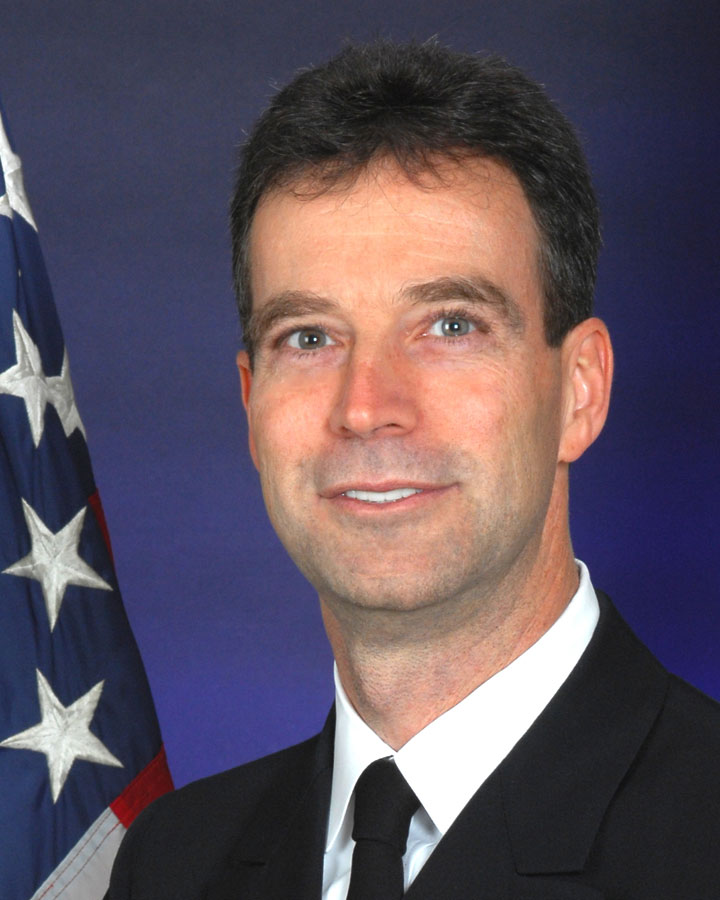
The founder
Fluent in security. Fluent in the business it protects.
G. Mark Hardy closes the gap between security issues and return on investment because he is fluent in both. He was hand-picked to address the top executives of Fortune 1000 firms across the country in small-group settings on an enterprise-wide accountability approach to security — and he is as comfortable in front of a large audience of technologists as he is at home with C-level executives.
Mark has provided information security expertise to government, military, and commercial clients for more than 35 years. An internationally recognized expert who has spoken at over 300 events worldwide, he directs the efforts of National Security Corporation — the information security consulting firm he founded in 1988.
Repeat clients and audiences have included Cisco — which called on him repeatedly to headline a cross-country tour on protecting enterprise assets — ISACA, Procter & Gamble, General Electric, and IBM. He has been quoted in Forbes on cryptocurrency and Internet-of-Things risk.
Mark is a founding member and Advisory Board member of the National CyberWatch Center.
Whether the room holds a thousand technologists or three directors, the message lands — because it is the same person who did the work.